The collection runs in two directions. Works move through the gallery toward their next collector. And works arrive — inherited, given, found, acquired years ago at auction abroad — wanting to know what they are. The Provenance Program is how JG Art Gallery handles both.
A working file. Anchored at the image. Reissued to every next owner. Provenance research as research, not as paperwork.
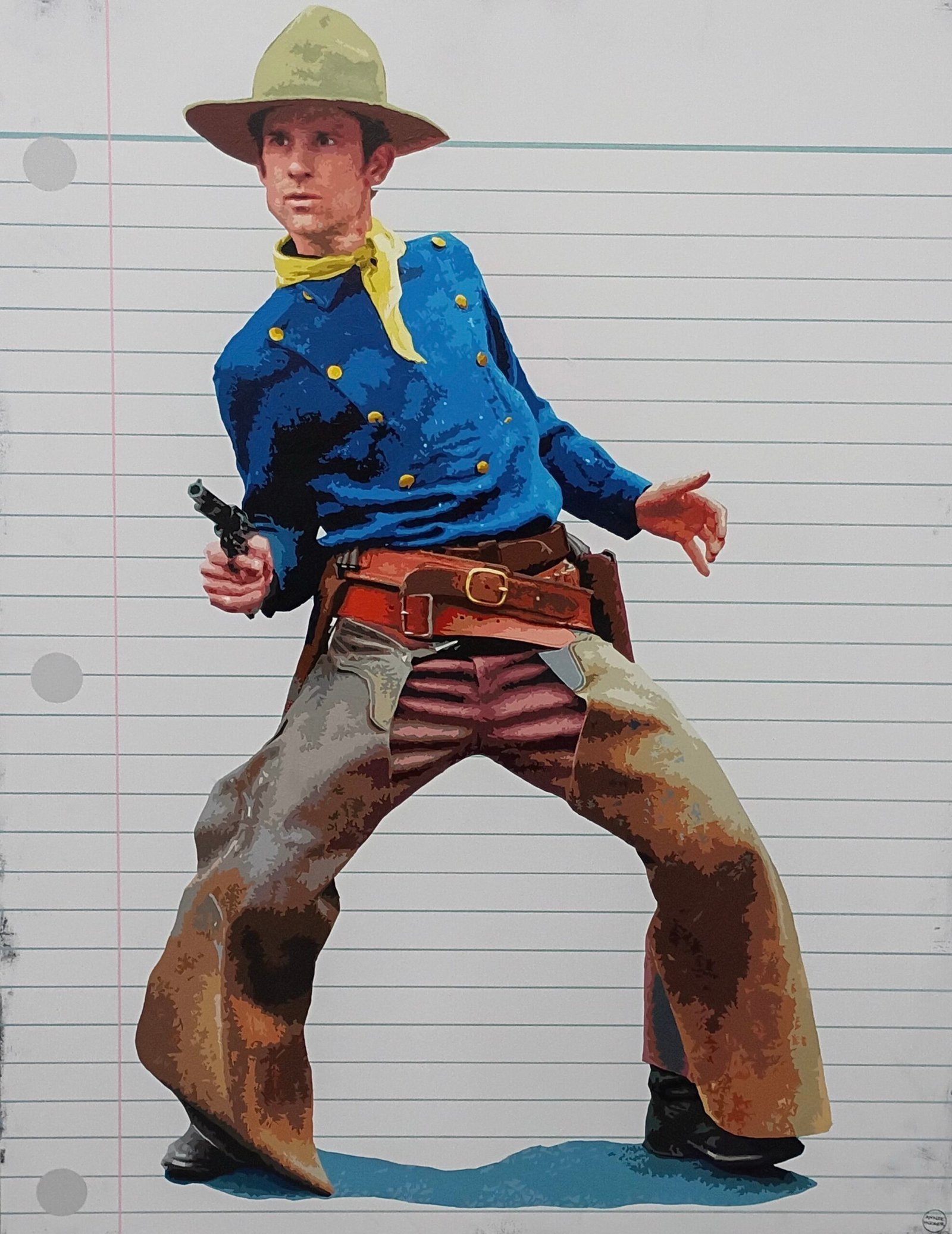
Aces High · Annie Hooker · Acrylic on paper · Reference JG-PROV-2026-0001 · Image-anchored at intake
Most galleries treat provenance as a transactional formality. Documentation gets handled, then forgotten. The Provenance Program treats it as research — a working file that follows the work as long as the work exists.
Anchored at the image. Archived in perpetuity. Reissued to the next owner. A piece that passes through JG Art Gallery — whether on the primary market or through The Provenance Collection — leaves with documentation that reads like research, not a receipt.
For collectors who already own a work and want to know what they have, the same research practice applies. You keep the work. The record stays with it.
- What this is
- Attribution opinion
- What this isn't
- Authentication
- What this is
- Provenance research
- What this isn't
- Appraisal
- What this is
- Indicated market range
- What this isn't
- Valuation or guarantee
Why the record survives after the work changes hands.
Why the record survives after the work changes hands.
Most provenance documentation is a PDF attached to an email. It exists as long as the inbox exists. When the work is resold, gifted, or inherited, the documentation rarely follows. The new owner starts over.
JG Art Gallery maintains provenance differently. Every work that passes through the gallery — whether on the primary market or through the Provenance Collection — generates a permanent record anchored at the artwork image. Not a PDF. Not a file on a server that gets migrated. A record that is append-only, cryptographically anchored, and auditable by any party with legitimate interest: the current owner, a museum considering a loan, an estate, an insurer, a future buyer.
When the work changes hands, the record does not start over. The new owner's documentation references the previous owner's sealed record. The chain grows — it does not restart. A work that passes through JG and through three subsequent owners thirty years from now will have a complete, unbroken history traceable to the original documentation.
A note on language: the gallery does not use the words authentication, appraisal, or valuation in its public documentation. What we provide is an attribution opinion, provenance research, and an indicated market range — each documented with sources, each appropriate to the work and the question it asks.
Open a research file →Two directions. One standard.
The collection runs in both directions because the gallery does. A piece is either moving toward a new home, or sitting in one and asking a question.
Works moving through the gallery toward their next collector.
A collector moves to a smaller house. An estate is settling. A primary market goes quiet around an artist whose work the gallery still believes in. The piece has gained something it didn't have on its first placement — context, time, provenance.
The Provenance Collection is how the gallery stewards these works. Same selection standard as the primary collection. Different origin path. Quiet placement. The full chain of custody transfers with the work.
Visit the Collection →Works arriving in collectors' homes through their own paths.
Inherited. Given. Found at an estate sale. Acquired years ago at another gallery, abroad, at auction. The provenance is uneven. The documentation is incomplete. The collector wants to know what they have.
Open a research file. The gallery's research practice does the attribution work, documents the chain of custody as far as records will carry, and issues a signed file with an indicated market range. The collector keeps the work. The record stays with it.
Open a file →Three tiers, by what the work asks for.
Not a menu. A gradient. The classification follows the question — what you have, what's known about it, and what kind of file the work actually warrants.
- Image-anchored at intake
- Two to three sourced comparables
- Indicated market range with confidence level
- Signed PDF with cryptographic anchor
- Typical turnaround inside the week
For living artists with a public market record — when the question is what you have, and roughly what it's worth.
- Multi-angle image registry
- Three to five sourced comparables
- Condition assessment from images
- Signed PDF with cryptographic anchor
- Optional public provenance page
- Typical turnaround inside two weeks
For works with an established market when a thorough file is wanted — most pieces of substantive declared value fall here.
- Archival research
- Period-specific consultation
- Contested or partial attribution work
- Full chain-of-custody narrative as far as records carry
- Signed file with cryptographic anchor
- Timing and scope discussed at intake
For works where the attribution itself is the question, or where the trail goes through estates, archives, or markets that take time to read.
Each file priced for the work.
Open a file to discuss. Two to three business days for the first response, from a named gallery contact, with a clear next step.
Open a research file
Aces High
"Hooker employs acrylic's quick-drying properties to build layered passages of cards and gambling imagery. The work harnesses American iconography without sentiment, treating subject matter as structural problem rather than narrative content."
This piece enters The Provenance Collection at JG Art Gallery as a documented work — image-anchored, attribution recorded, available by inquiry. The full chain of custody is held in gallery records and reissued to the next owner upon any future placement.
- Title
- Aces High
- Artist
- Annie Hooker
- Medium
- Acrylic on paper
- Reference
- JG-PROV-2026-0001
- Status
- In The Provenance Collection · available by inquiry
- Chain of custody
- Held in gallery records · reissued on placement
- Image anchor
- Cryptographic, on file · hourly chain
- Issued
- 2026-04-27
Bring us a piece. We'll tell you what you have.
A research file is a conversation that begins with a single image. The first response comes within two to three business days, from a named gallery contact, with a clear sense of which tier the work calls for and what comes next.
Or reach the gallery directly: provenance@jgartgallery.com